Commercial Kitchen Cleaning and Maintenance in Norwalk, CT
A commercial kitchen is one of the busiest and most important areas in any food service business. Restaurants, cafeterias, cafes, catering facilities, and shared food preparation spaces all depend on clean, organized, and properly maintained kitchens to operate safely and efficiently.
In Norwalk, CT, businesses need a reliable cleaning routine that addresses daily mess, grease buildup, food residue, equipment surfaces, floors, drains, and high-touch areas. A structured commercial kitchen maintenance cleaning checklist helps keep tasks consistent and reduces the chance of important cleaning work being missed.
Why Commercial Kitchen Maintenance Matters
Commercial kitchens face unique cleaning challenges. Grease, moisture, food particles, heat, and constant foot traffic can quickly create hygiene concerns if cleaning is not handled properly. Without a consistent maintenance plan, kitchens can develop unpleasant odors, slippery floors, pest risks, equipment issues, and sanitation problems.
A strong cleaning plan supports food safety, helps protect staff and customers, extends the life of kitchen equipment, and creates a better environment for day-to-day operations.
Daily Commercial Kitchen Cleaning Tasks
Daily cleaning tasks are essential because commercial kitchens are used heavily throughout the day. These tasks help control visible mess, reduce contamination risks, and keep the kitchen ready for the next shift.
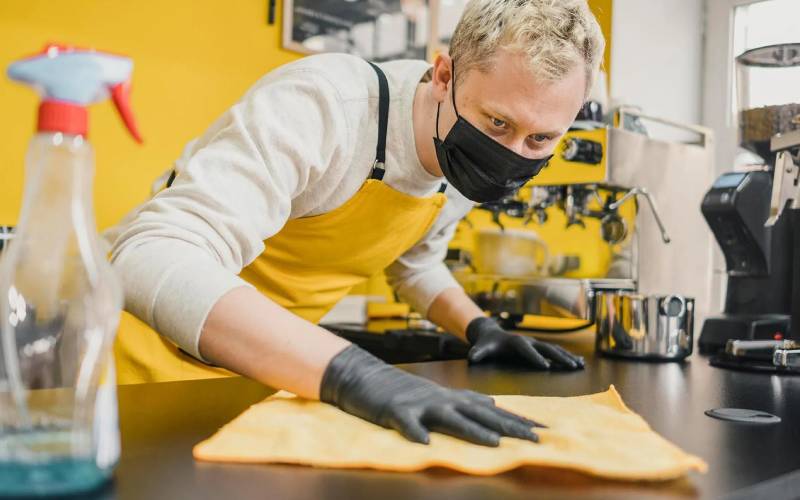
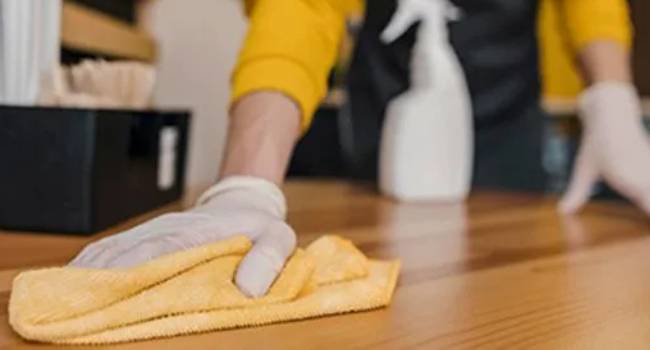
- Wipe and sanitize prep surfaces: Clean counters, prep tables, cutting areas, and food preparation surfaces.
- Clean cooking equipment surfaces: Wipe down stovetops, grills, ovens, fryers, and other equipment exteriors.
- Sanitize sinks and faucets: Remove food residue and sanitize sink basins, faucets, and surrounding surfaces.
- Empty garbage and recycling: Remove waste before it creates odors, pests, or overflow issues.
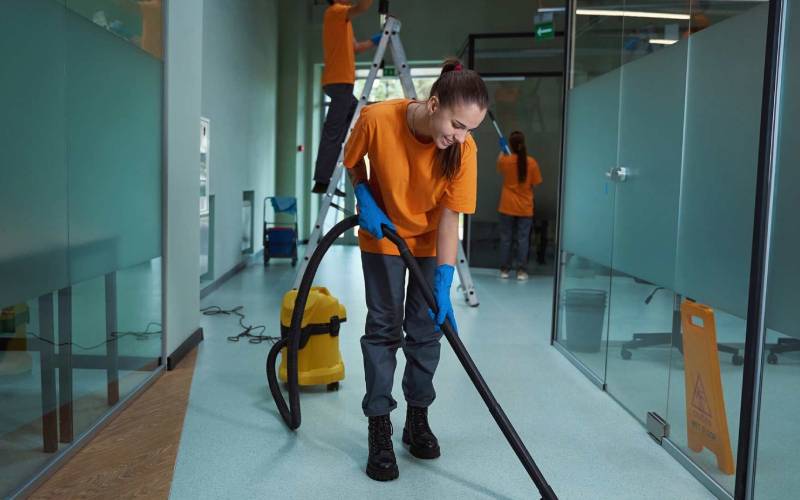
- Sweep and mop floors: Remove food debris, grease, and spills that can create slip hazards.
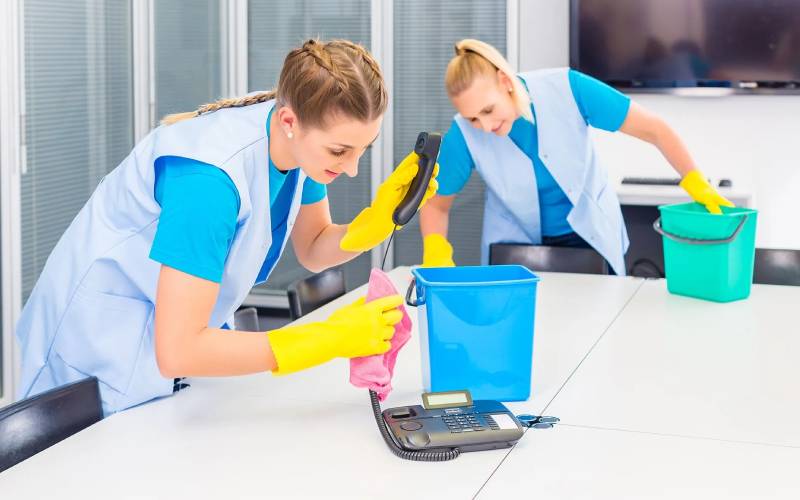
- Clean high-touch surfaces: Sanitize handles, switches, appliance controls, doors, and shared tools.
Weekly Commercial Kitchen Cleaning Tasks
Weekly cleaning tasks go deeper than daily surface cleaning. These tasks help prevent buildup in areas that may not need full attention every day but still require regular maintenance.
- Deep clean appliances: Clean microwaves, ovens, refrigerators, freezers, and small appliances.
- Clean under and behind movable equipment: Remove food debris, dust, and grease from hidden areas.
- Wash walls and splash zones: Clean areas behind prep tables, sinks, stoves, and dishwashing stations.
- Sanitize storage shelves: Wipe shelves, organize supplies, and check for expired or damaged items.
- Inspect drains: Clear visible debris and clean drain covers to reduce odor and blockage risks.
Monthly Commercial Kitchen Cleaning Tasks
Monthly cleaning tasks help maintain the long-term condition of the kitchen. These tasks are important for removing buildup that can develop over time and for identifying maintenance issues before they become larger problems.
- Deep clean floors: Scrub floor surfaces, grout lines, corners, and hard-to-reach areas.
- Clean storage areas: Remove items from shelves, wipe surfaces, reorganize stock, and discard expired products.
- Inspect equipment areas: Check behind and around large equipment for grease, dust, and debris.
- Clean vents and reachable exhaust areas: Remove surface dust and grease buildup where accessible.
- Review cleaning supplies: Restock approved cleaners, sanitizers, gloves, towels, and other essentials.
Equipment Care and Cleaning
Commercial kitchen equipment is expensive and often used for long hours. Proper cleaning helps protect this equipment and can reduce unnecessary wear. Grease, food residue, and moisture can affect performance, create odors, and shorten equipment lifespan.
Cleaning schedules should include appliance exteriors, handles, control panels, shelving, refrigerator seals, prep equipment, and small appliances. Equipment should also be cleaned according to manufacturer recommendations when specialized care is required.
Grease Control and Surface Buildup
Grease is one of the biggest cleaning challenges in a commercial kitchen. It can collect on counters, floors, walls, equipment surfaces, vents, and hard-to-reach corners. If not cleaned regularly, grease buildup can create odors, attract pests, damage surfaces, and increase slip hazards.
A proper cleaning plan should include degreasing high-use cooking areas, wiping splash zones, mopping floors with appropriate cleaners, and scheduling deeper cleaning for areas where grease accumulates.
Food Safety and Hygiene
Food safety depends on clean surfaces, proper sanitizing, and consistent cleaning routines. Prep tables, cutting areas, sinks, storage shelves, and equipment surfaces must be kept clean to reduce the risk of cross-contamination.
Commercial kitchens should also separate cleaning tools by use, replace dirty cloths and mop heads regularly, and ensure sanitizing products are used correctly. Staff should understand which areas require cleaning, sanitizing, or deeper attention.
When to Use Professional Commercial Kitchen Cleaning Services
Some cleaning tasks can be handled internally, but professional cleaning support is valuable for deeper cleaning, recurring maintenance, and consistent results. A professional team can help address floors, surfaces, restrooms, dining areas, prep spaces, storage areas, and other parts of the facility that need regular care.
For busy food service businesses, outsourcing cleaning can also save time and help staff focus on food preparation, customer service, and daily operations.
Keep Your Commercial Kitchen Clean and Ready for Service
A clean commercial kitchen supports food safety, protects equipment, improves staff working conditions, and helps maintain a professional business image. With a clear cleaning checklist, businesses can stay organized and keep daily, weekly, and monthly cleaning tasks on track.
For commercial kitchen cleaning support in Norwalk, CT, A Class Cleaning Services can help create a cleaning plan that fits your facility, schedule, and operational needs. Contact us today to request a quote or learn more about our commercial cleaning services.