Importance of Hospital Cleaning for Infection Control
Maintaining a clean and sanitized environment in healthcare facilities is crucial for preventing the spread of infections and ensuring the safety of patients, healthcare workers, and visitors. Hospital-acquired infections, also known as HAIs, pose a significant risk to patient health, and effective cleaning and disinfection protocols are vital in reducing their occurrence.
This comprehensive guide provides healthcare professionals and facility managers in Norwalk, CT with practical insights into hospital room cleaning and disinfection practices.
Understanding Hospital-Acquired Infections
Hospital-acquired infections, or nosocomial infections, are infections that patients acquire during their stay in a healthcare facility. These infections can result from contaminated surfaces, medical equipment, and healthcare workers' hands. Common types of HAIs include surgical site infections, urinary tract infections, bloodstream infections, and respiratory infections.
The impact of HAIs on patient health and safety cannot be underestimated. They can prolong hospital stays, increase healthcare costs, and lead to severe complications. This makes proper cleaning and disinfection a core part of healthcare facility safety.
Key Principles of Effective Hospital Room Cleaning
Several key principles must be followed to support effective cleaning and disinfection in hospital rooms. These principles focus on thoroughness, attention to detail, correct disinfectant use, and adherence to healthcare cleaning guidelines.
- Thoroughness and Attention to Detail: Cleaning staff must pay close attention to every detail and leave no surface uncleaned, especially high-touch areas such as bed rails, call buttons, light switches, and door handles.
- Use of EPA-Approved Disinfectants: It is important to use disinfectants that are effective against a broad spectrum of microorganisms, including bacteria, viruses, and fungi.
- Adherence to Healthcare Cleaning Guidelines: Cleaning procedures should reflect the needs of different healthcare areas, including patient rooms, operating rooms, and common spaces.
Patient Rooms: Bedside Tables, Surfaces, and High-Touch Areas
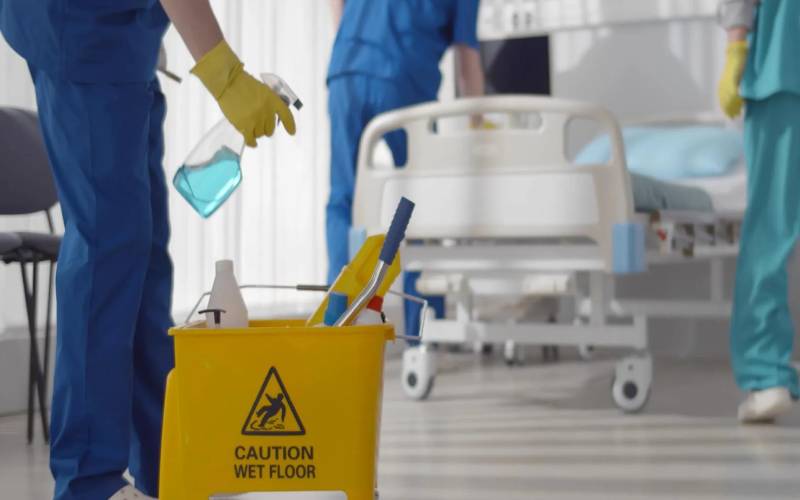
Patient rooms are critical spaces that require meticulous cleaning and disinfection. Cleaning staff should have access to proper cleaning chemicals, disinfectants, and personal protective equipment to perform their tasks safely and effectively.
- Dusting and Debris Removal: Start by removing dust, debris, and visible dirt to prepare surfaces for cleaning and disinfection.
- Surface Cleaning and Disinfection: Clean all surfaces, including bedside tables, bed rails, call buttons, light switches, and door handles.
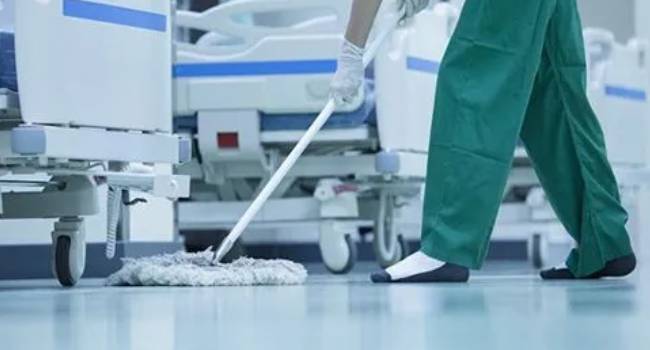
- Floor Cleaning: Clean floors with appropriate products, paying attention to areas around beds and high-traffic zones.
Operating Rooms: Surgical Equipment and Sterile Environments
Operating rooms require a higher level of cleanliness because of the invasive nature of surgical procedures. Cleaning and disinfection must focus on surgical equipment, sterile environment maintenance, and air quality control.
- Surgical Equipment: Surgical instruments and equipment should undergo a thorough cleaning and disinfection process after each use.
- Sterile Environment Maintenance: Cleaning staff should follow strict protocols for operating rooms, with special attention to high-touch surfaces and equipment.
- Air Quality Control: Proper ventilation and air filtration systems are crucial in maintaining a clean operating room environment.
Waiting Areas and Common Spaces
Patients, visitors, and staff frequently use waiting areas and common spaces in healthcare facilities. Effective cleaning and disinfection procedures help minimize the risk of cross-contamination.
- Frequent Cleaning: Waiting areas and common spaces should be cleaned throughout the day, focusing on seating, door handles, and other high-touch surfaces.
- Restroom Cleaning and Disinfection: Restrooms require special attention because they can harbor harmful bacteria and viruses.
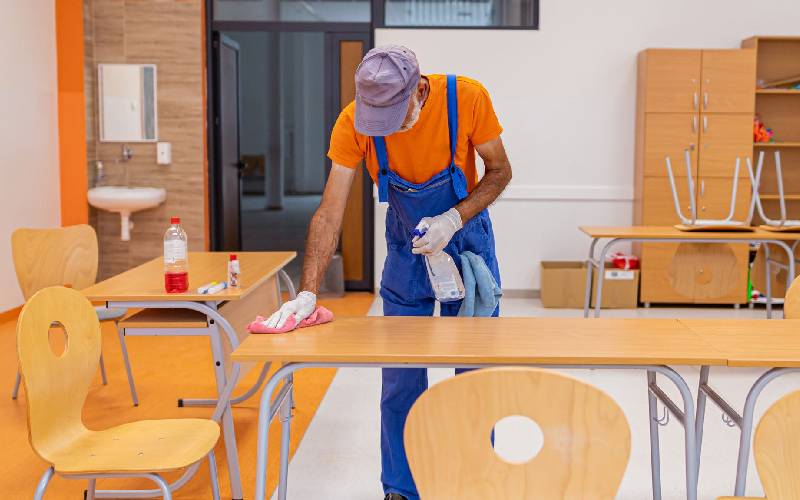
- Seating Area Cleaning: Chairs, benches, and sofas should be cleaned and disinfected using appropriate cleaning products.
Personal Protective Equipment for Cleaning Staff
Cleaning staff are critical in maintaining a safe and sanitized healthcare environment. Providing proper personal protective equipment helps protect staff and reduce the risk of cross-contamination.
- Gloves: Cleaning staff should wear disposable gloves when cleaning and disinfecting hospital rooms.
- Gowns: Depending on the level of contamination and cleaning task, disposable gowns may be required.
- Masks and Eye Protection: In higher-risk settings, masks and eye protection can help protect staff from droplets and splashes.
- Hand Hygiene: Proper hand hygiene is crucial before and after cleaning tasks.
Special Considerations for Contaminated and Isolation Rooms
Contaminated and isolation rooms require additional precautions and specialized procedures to minimize the risk of spreading infectious pathogens. Cleaning staff should follow isolation precautions recommended by healthcare authorities and facility protocols.
Additional disinfection techniques, such as hydrogen peroxide vapor or ultraviolet light disinfection systems, may be used in certain healthcare environments to help reduce pathogen transmission risks.
Quality Assurance and Monitoring Procedures
Quality assurance and monitoring procedures help verify the effectiveness of hospital room cleaning and disinfection. Regular inspections and audits can identify areas for improvement and help maintain consistent cleanliness standards.
- Inspections and Audits: Conduct regular reviews of cleaning practices to verify compliance with protocols.
- Feedback and Training: Use inspection findings to provide feedback and additional training to cleaning staff.
Emerging Technologies and Innovations in Hospital Cleaning
Several technologies have improved hospital cleaning and disinfection practices. These tools can enhance the effectiveness and efficiency of cleaning routines when used as part of a structured cleaning program.
- UV-C Disinfection Systems: UV-C systems use ultraviolet light to help disinfect surfaces, equipment, and air in certain healthcare areas.
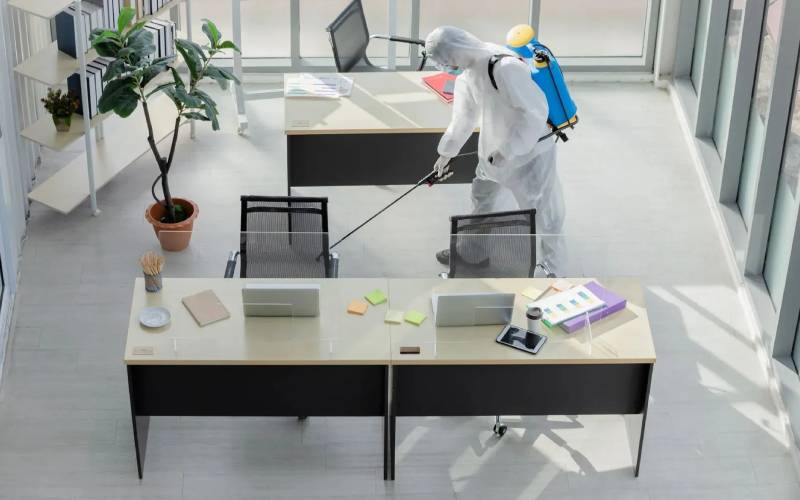
- Electrostatic Sprayers: Electrostatic sprayers provide more uniform disinfectant coverage and can help reach difficult surfaces.
Commitment to Patient Safety Through Effective Hospital Cleaning
Effective hospital room cleaning and disinfection play a crucial role in preventing the spread of infections and supporting patient safety. By following proper protocols, using suitable disinfectants, and maintaining quality assurance measures, healthcare facilities can create cleaner and safer environments for patients, staff, and visitors.
A Class Cleaning Services is committed to providing professional healthcare cleaning support in Norwalk, CT. With skilled cleaning professionals and a focus on customer satisfaction, A Class Cleaning Services is a trusted partner for maintaining safe and sanitized healthcare facilities.