Regular Sanitation in Norwalk's Food and Beverage Industry
In the fast-paced world of the food and beverage industry, sanitation is of utmost importance. This is particularly true in Norwalk, Connecticut, where the industry thrives with restaurants, bars, catering services, and food production spaces.
For businesses in this industry, regular and thorough cleaning is a non-negotiable part of operations. Professional commercial cleaning services in Norwalk, CT can help businesses maintain high standards of hygiene, cleanliness, and food safety.
The Role of Hygiene in the Food and Beverage Industry
Hygiene plays a pivotal role in the food and beverage industry. It is not only about keeping the premises clean. It is about ensuring that food and beverages are produced, handled, prepared, and served in a safe environment.
Cleaning is not just about making a space look tidy and presentable. It helps ensure the full process of food production, from ingredient preparation to serving, is kept as free as possible from contaminants.
Bacterial Contamination and Its Prevention
One of the major risks in any food service establishment is bacterial contamination. Bacteria can grow on unclean surfaces and contaminate food, which can lead to foodborne illness.
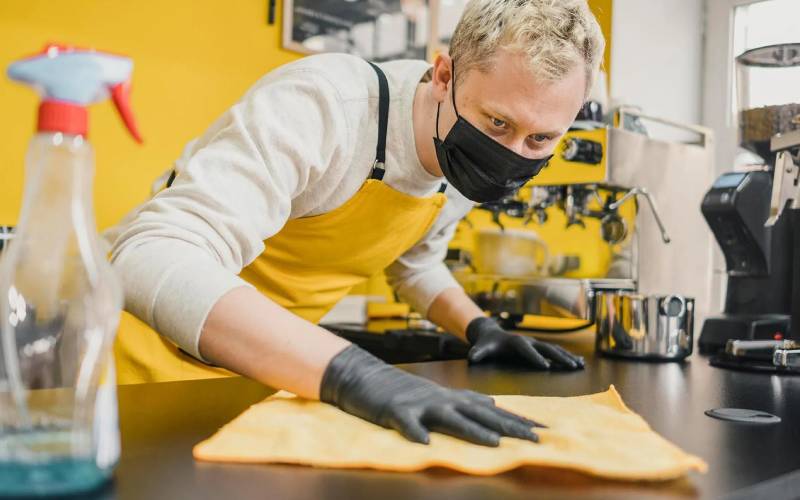
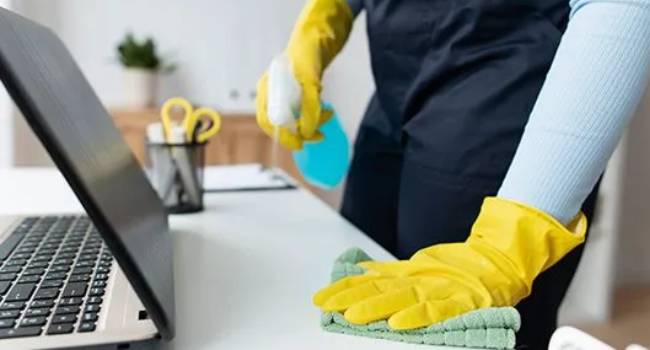
This risk can be reduced through regular cleaning and sanitization. Cleaning with soap and detergent is the first step, but sanitizing surfaces afterward is equally important to help kill bacteria and other pathogens. Common sanitizers in food service environments may include chlorine solutions, quaternary solutions, and iodine-based products.
Implementing a Sanitation Plan
Every food service establishment should have a clear sanitation plan. This plan should outline the cleaning schedule, the cleaning and sanitizing agents being used, and instructions for their safe use and storage.
A strong sanitation plan should also assign responsibilities to specific team members to ensure accountability. When everyone understands what must be cleaned, when it must be cleaned, and who is responsible, the business can maintain a higher and more consistent standard.
Proper Dishwashing Procedures
Dishwashing is another critical aspect of sanitation in the food and beverage industry. It is not enough to rinse plates, utensils, cookware, and serving tools. They must be properly washed, rinsed, sanitized, and dried.
A proper dishwashing procedure may include:
- Wash: Use a commercial detergent and warm water.
- Rinse: Rinse items in clean hot water.
- Sanitize: Sanitize with an approved sanitizing solution for the required contact time.
- Dry: Use sanitized drainboards that are sloped for drainage. Avoid towel drying when it may reintroduce bacteria.
Dishwashing procedures can vary depending on whether dishes are washed manually or by commercial dishwasher, so staff should be trained on the process used in their facility.
Routine Equipment Maintenance
Dishes and utensils are not the only items that require regular cleaning. Food preparation equipment, kitchen equipment, refrigeration areas, food processing machines, and manufacturing equipment also need routine cleaning and inspection.
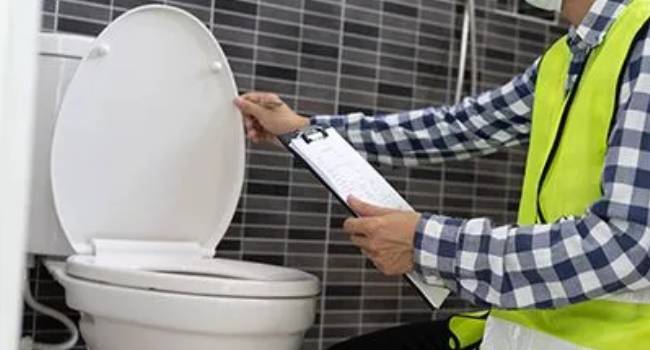
Regular cleaning helps ensure equipment is safe for use, supports efficiency, and can extend equipment lifespan. If safety concerns are found during cleaning, such as loose parts, damaged cords, or equipment issues, they should be reported to a supervisor immediately.
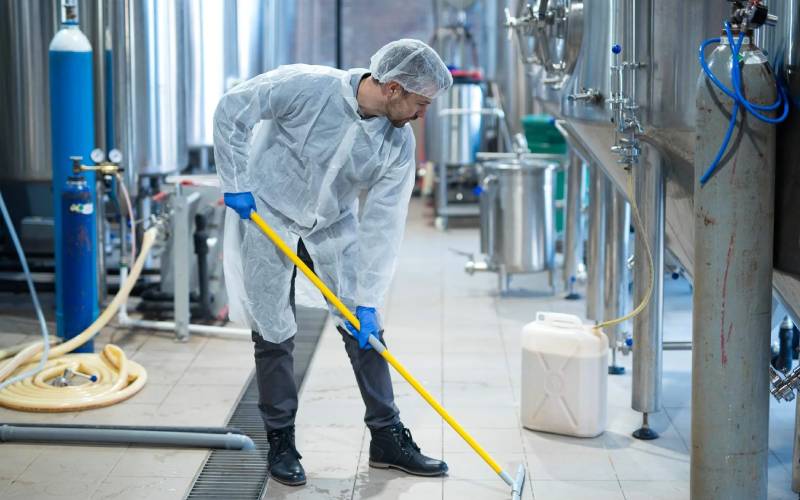
Personal Hygiene in the Food and Beverage Industry
While maintaining a clean environment is crucial, staff personal hygiene is equally important. Employees should maintain regular hygiene practices, keep hair clean and tied back when required, wear clean work clothes and footwear, and wash hands regularly.
Staff should also be trained on using clean utensils for tasting food, using separate cloths for cleaning and wiping plates, and avoiding practices that can create cross-contamination.
Handwashing Practices
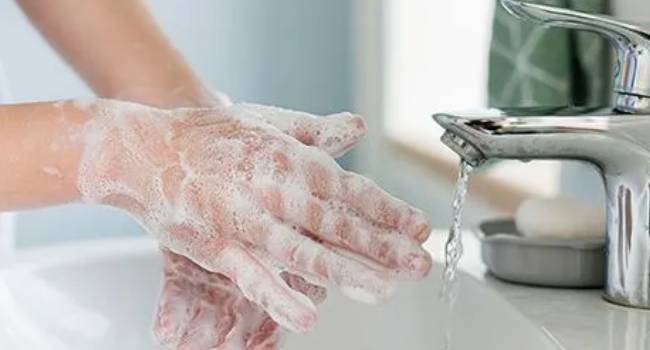
Handwashing is a critical part of personal hygiene in the food and beverage industry. Staff should wash hands after sneezing, coughing, using the bathroom, smoking, handling raw foods, cleaning tables or equipment, handling soiled objects, and touching money.
A proper handwashing procedure should include:
- Wet hands with warm water.
- Apply liquid soap and lather for at least 20 to 30 seconds.
- Scrub the backs of hands, wrists, fingers, and under nails.
- Rinse under running water, pointing down toward the drain.
- Dry with a paper towel.
- Use the paper towel to turn off taps and open the bathroom door when appropriate.
Hand and Work Equipment Disinfection
In addition to regular handwashing, hand disinfection can help reduce the risk of cross-contamination in certain food production settings. Proper hand hygiene tools and procedures help improve coverage and consistency.
Work equipment disinfection is another key aspect of sanitation. Regular disinfection can help prevent cross-contamination, reduce microbial contamination, improve employee safety, support operational efficiency, and help businesses meet food safety expectations.
Cleaning of Footwear
Footwear can be a source of cross-contamination in food production facilities. Employees can track contaminants from inside or outside the facility, making it important to include footwear cleaning procedures as part of the sanitation plan.
Depending on the facility, this may include designated footwear, entry-point cleaning procedures, floor mats, or other controls that reduce tracked-in contaminants.
Maintain Safer Food and Beverage Operations
Sanitation in Norwalk's food and beverage industry is a critical part of protecting food quality, customer safety, and business reputation. Cleaning schedules, proper dishwashing, equipment maintenance, personal hygiene, handwashing, and disinfection all work together to create a safer facility.
At A Class Cleaning Services, LLC, we offer cleaning services tailored to the needs of food and beverage businesses. Our team uses practical cleaning methods, professional tools, and customized service plans to help businesses maintain clean and safe environments. Contact us today to learn how we can support your sanitation needs.